Pre-order now & enjoy special pricing
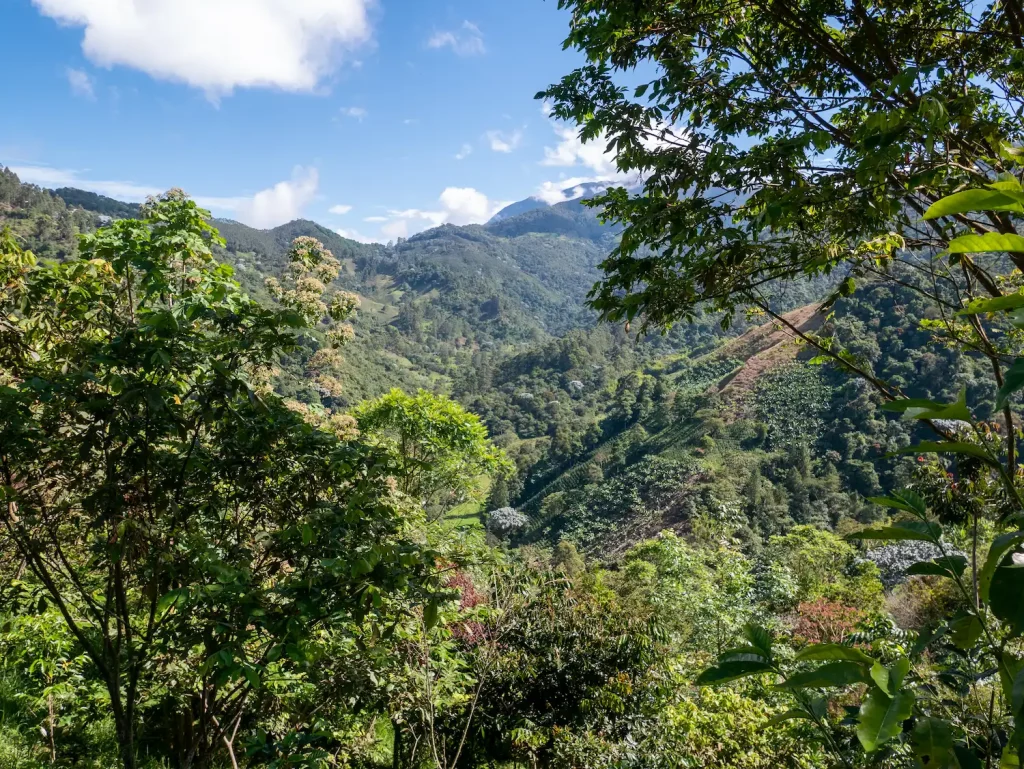
On around five hectares of Finca La Esmeralda we grow our organic specialty coffees within an agroforestry system. Coffee trees especially like the light shade of the Guamo Santafereño, a tree species that has many advantages for organic agriculture.
Agroforestry under nitrogen-fixing shade trees allows for organic cultivation, abstaining any use of pesticides and chemical fertilizer. Ecological corridors and native forests create a net around the coffee areas, forming gradual transitions between cultivated land and forest and allowing wildlife to move freely. This makes Café Río Lejos cultivation an integral part of a coherent ecosystem and a nature reserve.
Agroforestry, an agriculture in the shade of trees, improves soil quality, water management and resilience of crop against pest infestation and diseases. Trees improve biodiversity, attract pollinators and birds, and form a symbiotic mesh with fungi and other microorganisms that make soil nutrients available for the coffee plants. Their canopy protects against strong solar radiation, drought and heavy rainfall. Its rootage absorbs huge amounts of water subsurface, keeps the environment moist and cool even during dry periods, and prevents erosion.
Therefore, agroforestry is a natural way to combat the effects of climate-change as it protects cultivation and soil from long drought and floods, which both are accumulating drastically in the past years. On the other hand, coffee grown below shade trees acts as a carbon sink and contributes to the fight against climate change by absorbing huge amounts of CO2. Coffee is predestined for agroforestry cultivation, because shaded cultivation slows cherry ripening, developing denser beans and more complex flavour structures. While yields may be lower than in sun-grown monocultures with chemical fertilisers and pesticides, shaded systems protect soil, water and biodiversity. This approach prioritises quality, resilience and long-term ecological balance over maximum short-term productivity.
Coffee trees especially like the light shade of the fast growing Guamo Santafereño (Inga edulis), a species that meets a lot of advantages for organic agriculture. Since we planted six hundred additional guamos in all coffee cultivation on Finca La Esmeralda, yield and quality increased significantly.
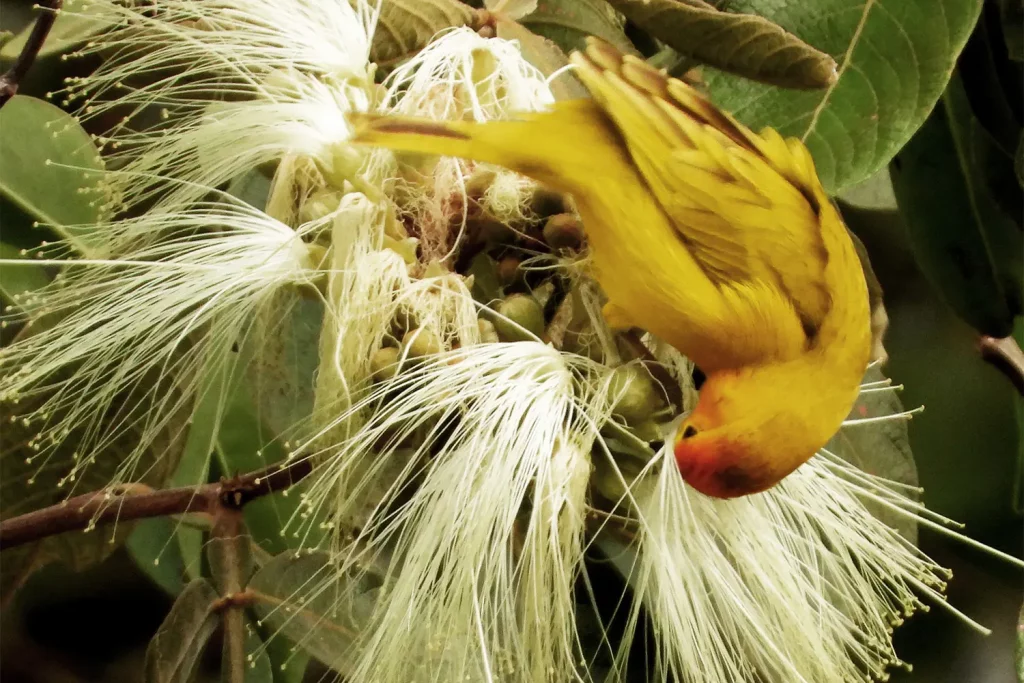
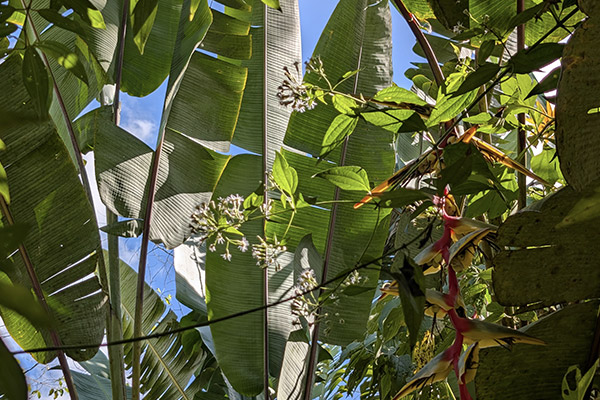
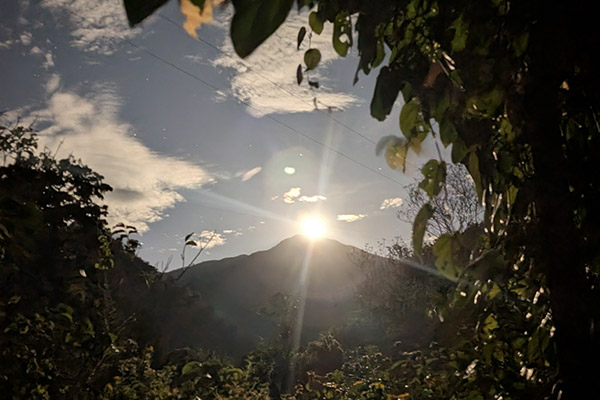
Our coffee grows in harmony with nature. We do not use agrochemical products, but stimulate natural processes like the nitrogen-fixing of leguminous plants. We leave ‘unproductive’ natural trees and dead wood in place because they play an important role in biological cycles; e.g., many native bees live in dead wood.
A wide variety of animals thrive in our chemical-free plantation. They find shelter in the bushes, vantage points in tall trees, food in the fruit, connecting paths to the nearest forest and resting places on all levels.
The approximately five hectares of coffee plants are scattered like islands in a network of primeval forests, watercourses and renaturation areas, building an integral part of a varied ecosystem rich in biodiversity.
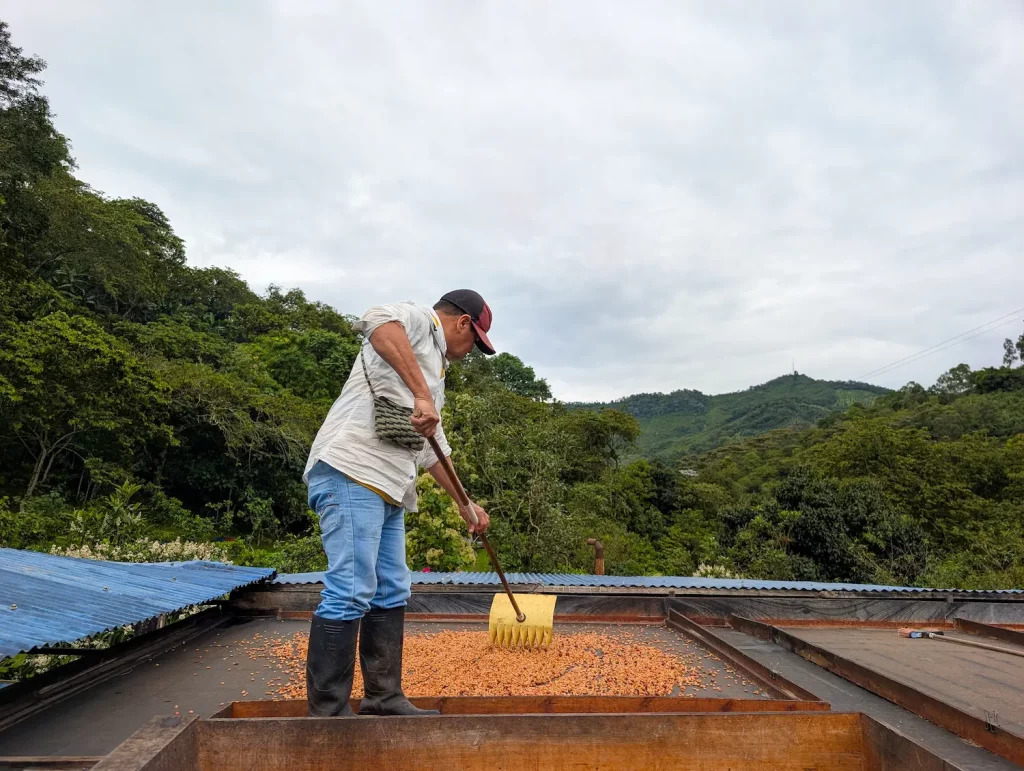
From harvesting until delivery, we try to minimize our ecological footprint. Harvesting is done manually with precaution for the plants. Our anaerobic processing safes water, and drying is done with pure solar energy on the rooftop and inside a glasshouse. We roast our coffee in Colombia, saving additional packaging and transport weight due to the lower weight of roasted coffee.
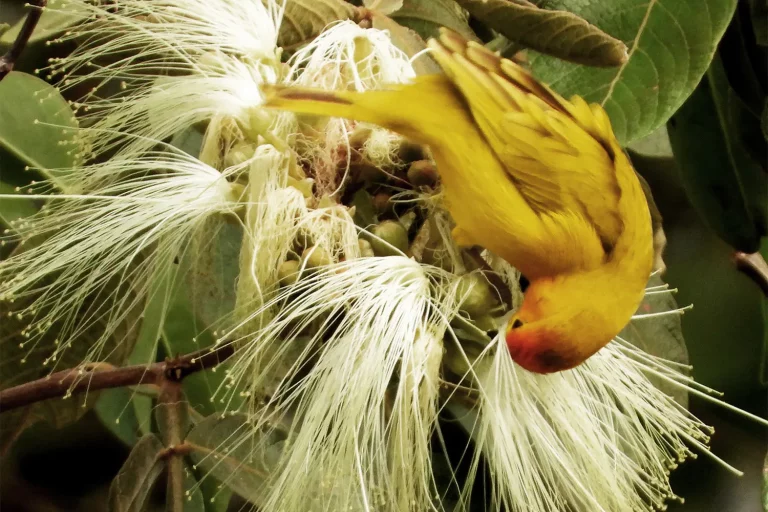
Coffee grown within diverse forest systems that support life above and below ground, strengthening ecosystems and coffee quality.
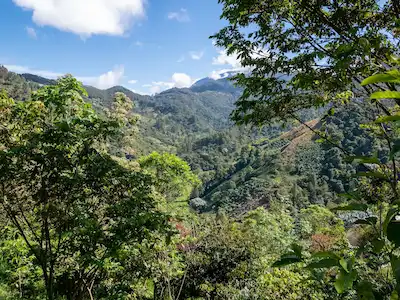
Forest recovery through natural regeneration, pioneer species and long-term care.
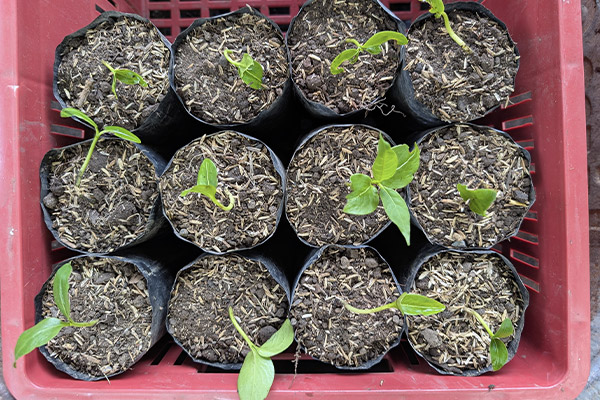
Propagating locally adapted native species to support forest restoration on the farm and across the region.
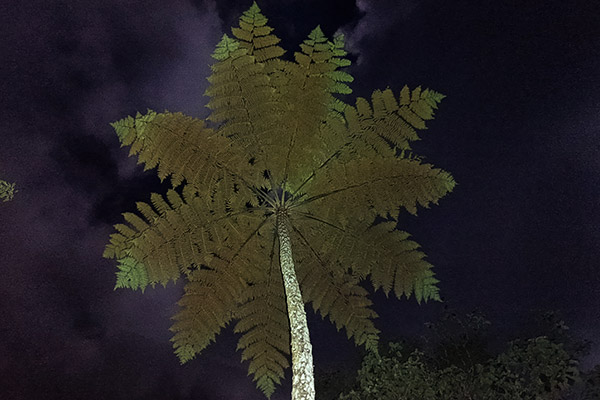
Its enormous biodiversity and its connectivity to neighbouring forests, watercourses and different climate zones makes Finca la Esmeralda ecologically precious.
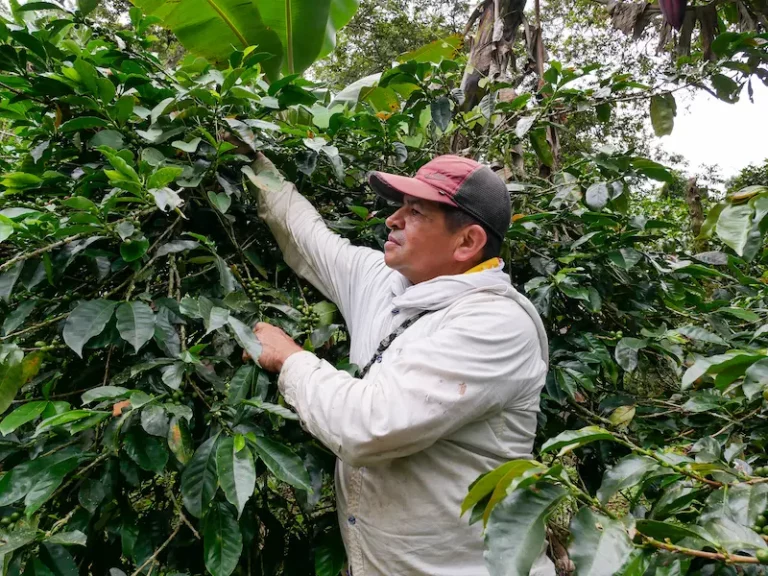
Connecting coffee production, forest protection and local livelihoods through direct relationships and long-term commitment.
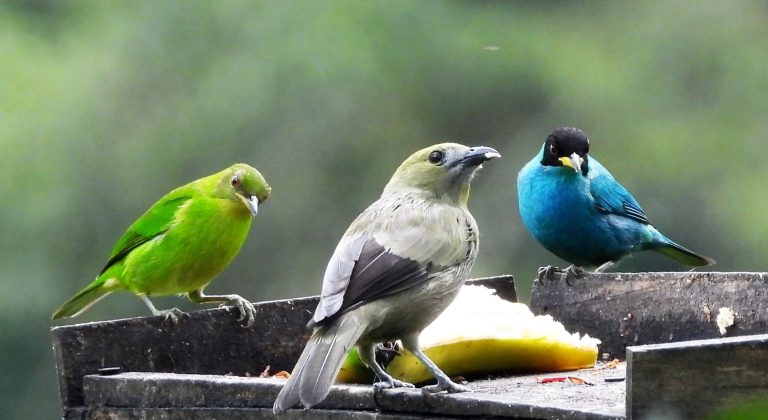
Our positive results with agroforestry, where harvests and quality are constantly increasing, and the successes of ecological restoration and restoring biodiversity encourage us to pass on our experience.